Appeared in 2026 Fall Ranch Record. Story by Bob Welch.
Kyle Best carries on a family tradition by winning the RHA Working Cowboy Award—West.
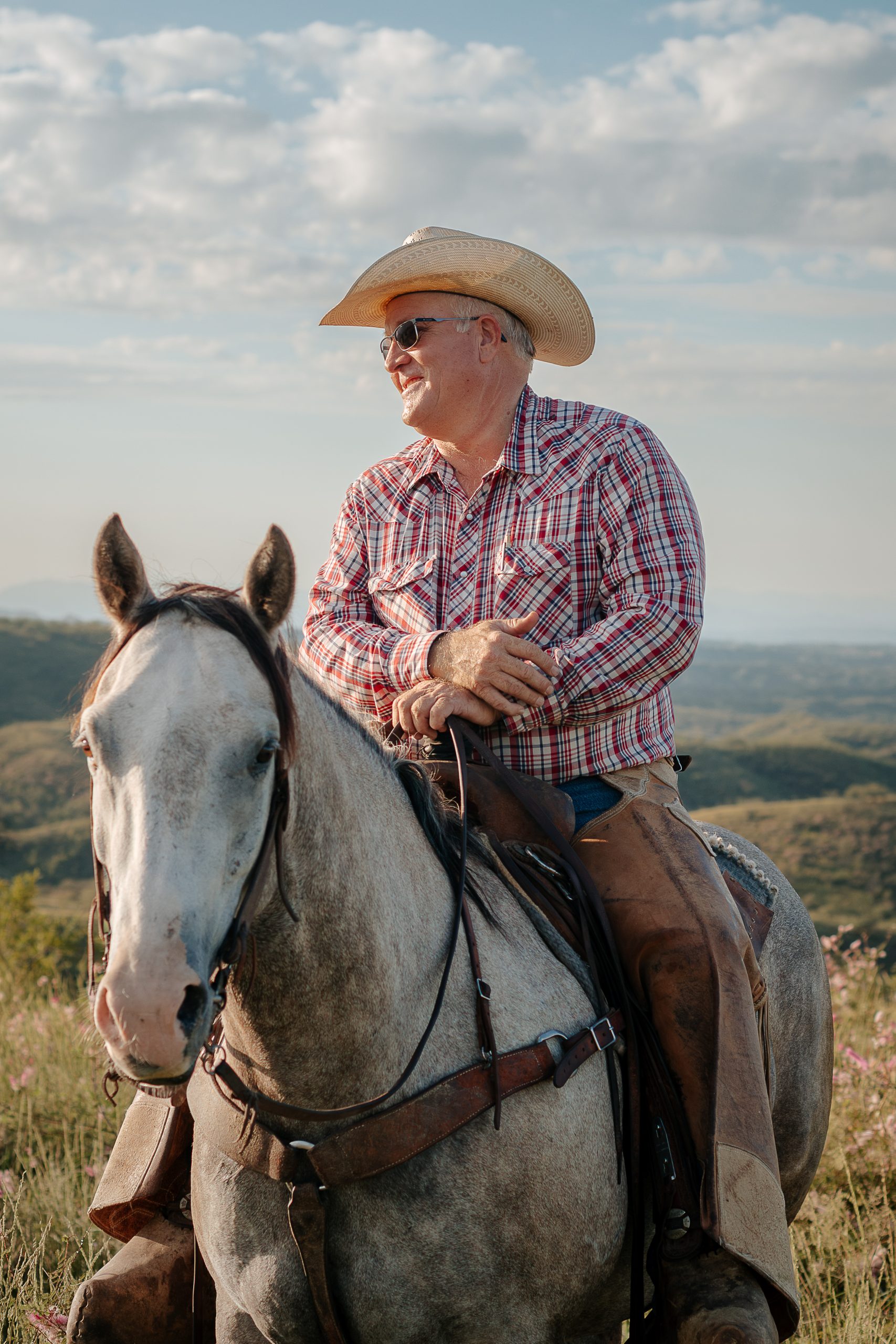
Kyle Best and his top hand at Marley Cattle Company in Amado, Arizona. Photo by Adrian Hawkins.
BORN IN WEST TEXAS, raised in eastern New Mexico and living most of his professional career in Arizona and Oklahoma, Kyle Best claims that drought has followed him his whole life.
In 1991, as an aspiring fourth-generation rancher, he and his new wife, Amy, leased a ranch in Roswell, N.M., just a few years after he graduated high school.
“We just got married and Klancy was just a baby,” Best remembers of his young family. “The first year we had that ranch, it rained 20-something inches. That gramma grass was knee-high and them cows were fat. The next four years after that, it rained five inches total.”
Enough to run most out of the business, Best instead looked for another opportunity. And despite drought always nipping at his heels, he’s stuck to ranching long enough to carry on his family’s name and even add to it by being named the Ranching Heritage Association’s 2026 Working Cowboy Award—West recipient.
BEST’S GREAT-GRANDFATHER WAS a horse trader and his grandfather was the one who started the ranching enterprise near O’Donnell, Texas. In 1941 the Bests moved west to Bledsoe and eventually to Elida, N.M. Driving cattle from Bledsoe to Elida (where Kyle would be raised) was about 60 miles, and Kyle’s father, Wendell, was part of the crew at nine years old.
“They were camped out down there one night and my dad, he didn’t have any toys or nothing, all he ever had was a rope,” Best says. “That morning when they broke camp and started driving them cows and he looked up and this eagle was out there holding a jackrabbit. He thought to himself, I’m going to rope that eagle. Coming up off that jack rabbit, he roped it around the neck and the wing. There ain’t very many people, that can say they’ve roped an eagle, but my dad sure did.”
Wendell Best looms large in Kyle’s memory and influences all he is and has become.
“This is all my family’s ever done,” he says. “My dad was an old-time cowboy to his bones and he taught me what I know. A lot of what I am is because of my dad. I sure do miss him, but I’m glad I’ve learned what I learned from him.”
That education was tested quickly after Kyle, Amy and baby Klancy left the droughted out Roswell ranch for a job with the Willow Springs Ranch north of Tucson in 1996. The ranch—some 300 sections—was in tough shape with little-to-no management and wild cattle running amok. When hired, Best asked the general manager working in the main offices if there was someone who could show him around the ranch to figure out where waters and fence lines were.
“He reached under his desk and gave me a map and said, ‘You find it on your own,’” Best remembers. “So I found it on my own and I know every inch of it. I gathered 700 more cows there than they had on their books and a load-and-a-half of big steers that would have been up to 10 or 12 years old plus two loads of maverick bulls.”
With the Willow Springs Ranch challenge met, the realities of living near the border with two young boys began to bother Kyle and Amy. When a horse slipped in the mud and broke Kyle’s leg, it became the final nudge for them to ride a new trail.
Amy’s mother owned property near Woodward, Oklahoma, so Kyle decided to lease it. Before long, he made friends with an old-time cowboy who had worked at the Four Sixes once upon a time and he helped Kyle get integrated into the ranching community there.
“One morning I woke up and told my wife, ‘I guess if we’re going to be here, we might as well get amongst it,’” he says. “We got up to where we were running 1,000 cows.”
But then, you guessed it, the drought hit. Friends and neighbors were moving north, east and south. Kyle had a different idea.
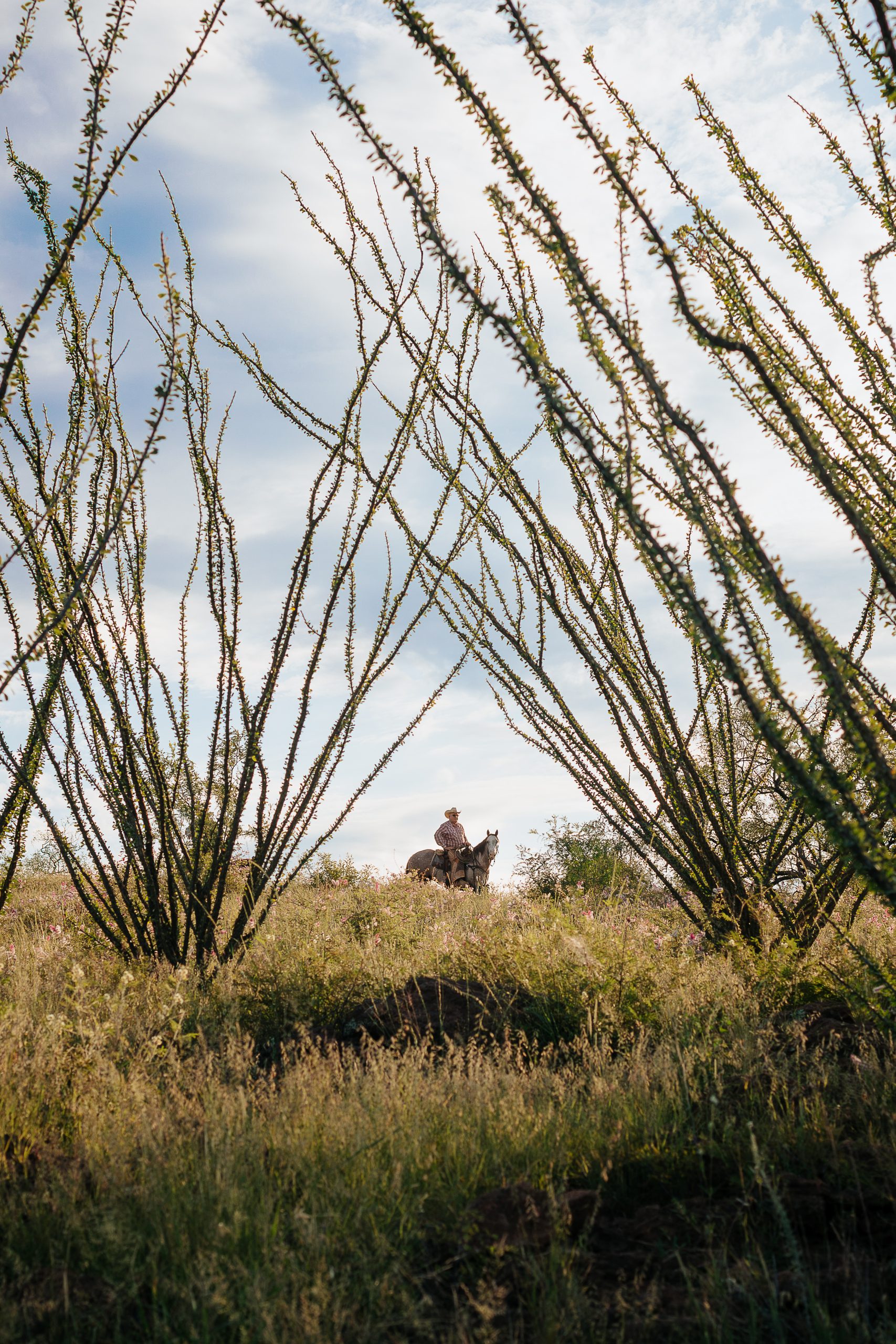
Native to southern Arizona, ocotillos frame the landscape at Marley Cattle Company. Photo by Adrian Hawkins.
“My friends asked me, ‘What are you going to do?’ I said, ‘I’m going to go back to Arizona where at least when you get a little bit of rain you’re proud of it,’” Kyle says laughing.
JUST LIKE THE LAST time drought forced him to Arizona, he found a ranch with some significant challenges to overcome that was looking for a manager. Marley Cattle Company outside of Douglas decided he was the right man for the job, so Best left his young family and what cows he could in Oklahoma for another clean-up job.
In the 1930s an ambitious ranch-raised kid named Kemper Marley started the United Liquor Company, which quickly became one of the state’s largest wholesalers. He partnered on a chain of drug stores, cotton gins, a packing company, a sheep ranch and Caterpillar Tractor dealerships in Mexico. He bought ranches, founded a bank and ran more than 3,500 registered Herefords in Texas.
On his Arizona ranch near Amado, however, he was more experimental with his cattle choices.
“They started out with a bunch of old mixed-breed cows,” Best explains. “Mr. Marley put a bunch of Mexican fighting bulls on this ranch with them mixed breed cows. That’s what made them kind of wild and then, after that, he put out a bunch of gray Brahma bulls. They look like Brangus, but they weren’t. When we first came to this ranch, they were not very good cattle. They were so wild, would be branding in near six-foot tall pens and those little calves would come out of the herd and try to eat your flankers up and then they might turn around and go try to jump out.”
Once again, Best found some 500 more cows than management had on the books. Then he began cleaning up the breeding program. Best started with Charolais, incorporated Gelbvieh and Hereford and now runs mostly RA Brown Ranch black and Red Angus bulls.
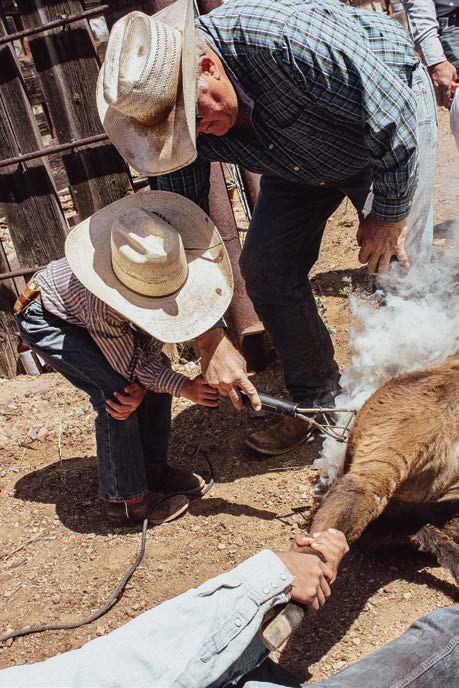
Passing on his way of life is important to Kyle Best. Here, he helps a grandson learn the finer points of branding.
“We had a lot of wild cattle when Kyle came to the ranch and it was pretty tough for a while,” says Marley Cattle Company General Manager Jim Webb. “He straightened that cow herd up and gentled down the cows and we’ve had good quality cattle going forward. Before, we couldn’t even get people to come and look at them, but now have repeat customers. We’ve been blessed to have Kyle and Amy and his boys. They’ve been wonderful to work with and they get the job done. There isn’t any two ways about it.”
The challenges of ranching on the border remained. Cross fencing is nearly impossible as migrants cut all the fences. Plus, finding qualified labor became increasingly difficult, so as Klancy and Trey grew, they would come to Arizona more and more often to help on the ranch.
“I couldn’t have done it without my wife and my boys,” he says. “They’ve been here with me the whole time and our boys, they live and breathe this stuff.”
AND IF ALL THAT weren’t enough, Kyle is continuing the legacy of horse breeding that his father began in 1952 when he won a colt for the top prize in the calf roping at the Santa Rosa rodeo.
“Most of our mares are foundation-type and then with our studs we try to go back with the cow blood,” says Best. “It’s nice to ride one that’s got the cow in them and has been raised in this rough country. Those horses out of the east, their feet aren’t good enough for these rocks and then they’re not used to the cholla cactus.”
The family was recognized as the American Quarter Horse Association Ranching Heritage Breeder of the Year in 2002 and in March 2026, they were honored as an AQHA 50-year cumulative breeder.
Best’s sons, Klancy and Trey, and their families have been involved with the horse breeding, training and selling program as soon as they were old enough to help and look toward continuing what their grandfather started.
What’s more, the sons remain in the family business and in many ways are expanding it. Klancy runs a ranch in northern New Mexico while Trey takes care of family cattle in Arizona.
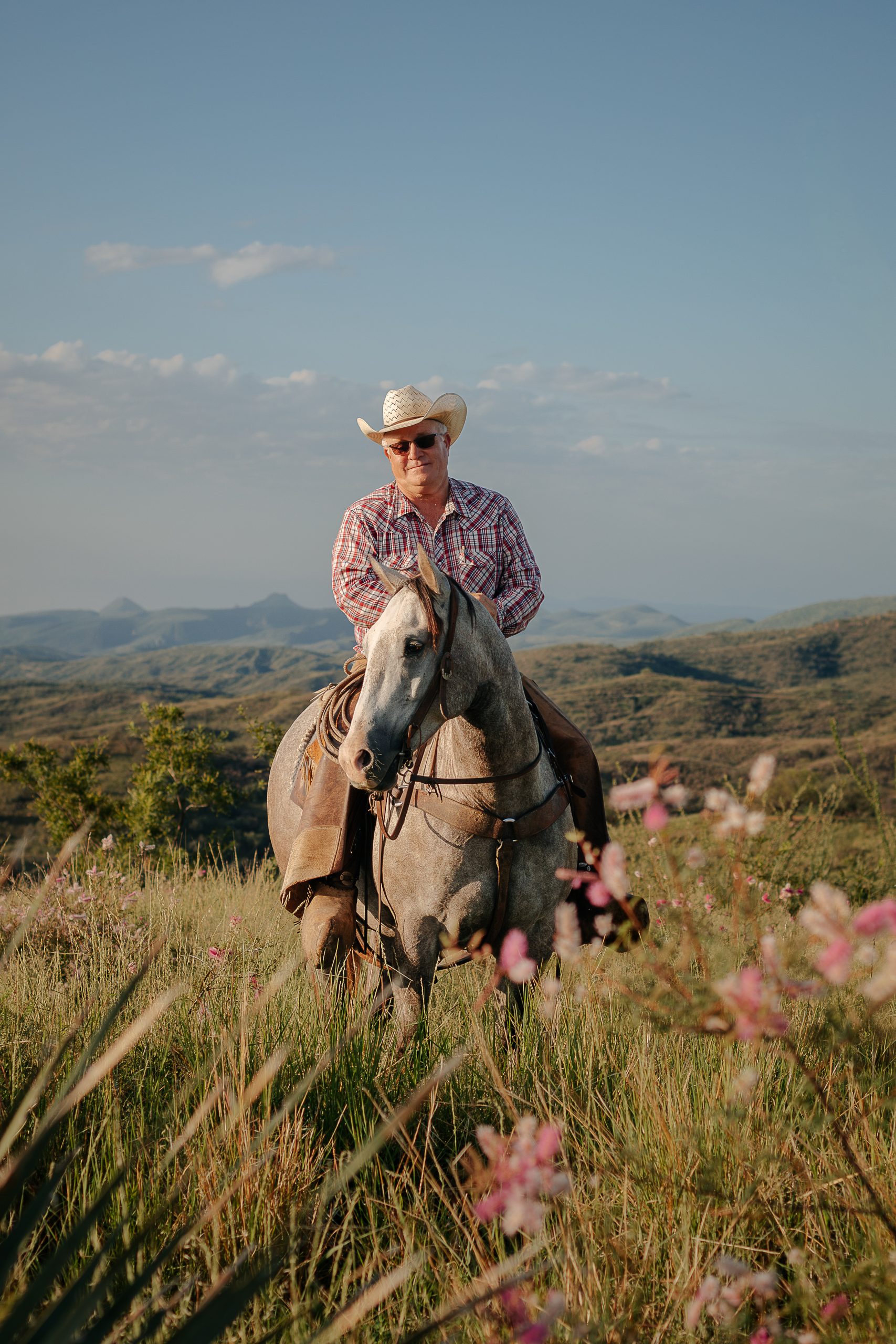
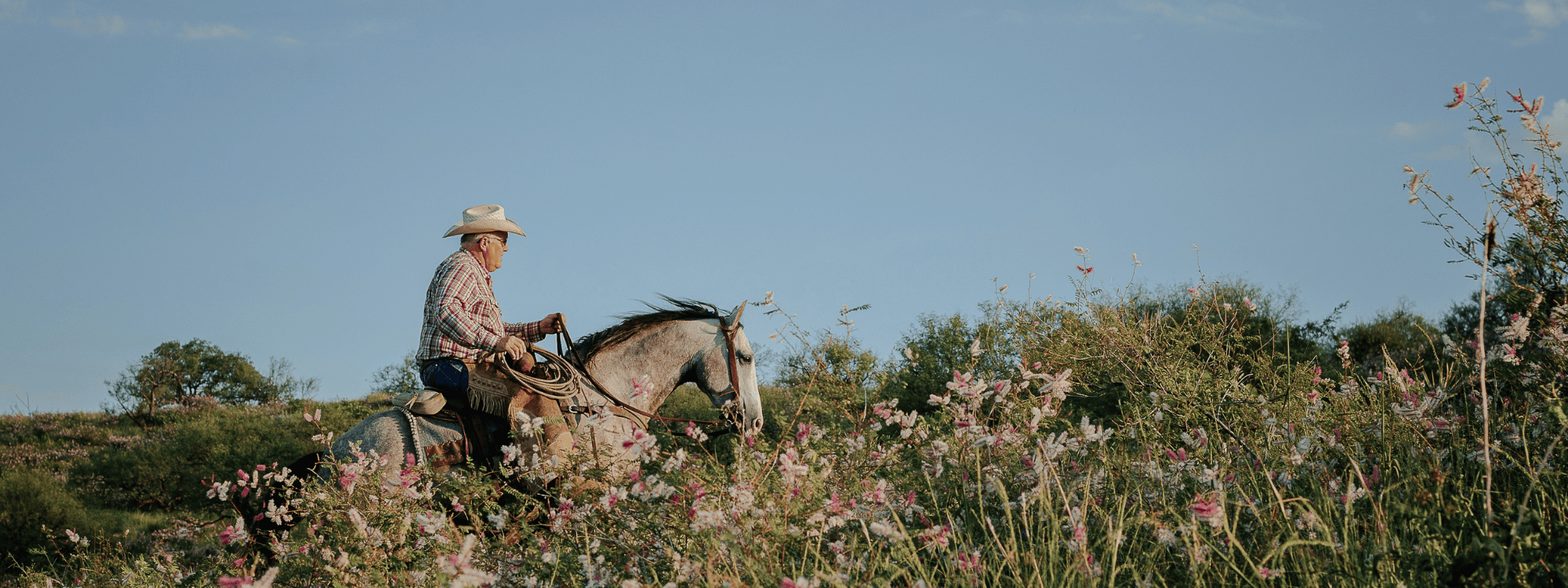
Marley Cattle Company’s green Arizona range is a sight Kyle doesn’t take for granted. Photo by Adrian Hawkins.
“I was born and raised this way and our family is very big on carrying the Best name forward,” Kyle says. “We’ve been in cowboying and ranching forever, so it’s just in our blood to keep doing it. It’s a great way of life. I didn’t ever want to do anything different. It just was meant to be from the beginning, I guess.”
And this last year, when most of Arizona was suffering from another dry year, Marley Cattle Company caught 22 inches of rain. It might have been the first time the drought couldn’t find him.