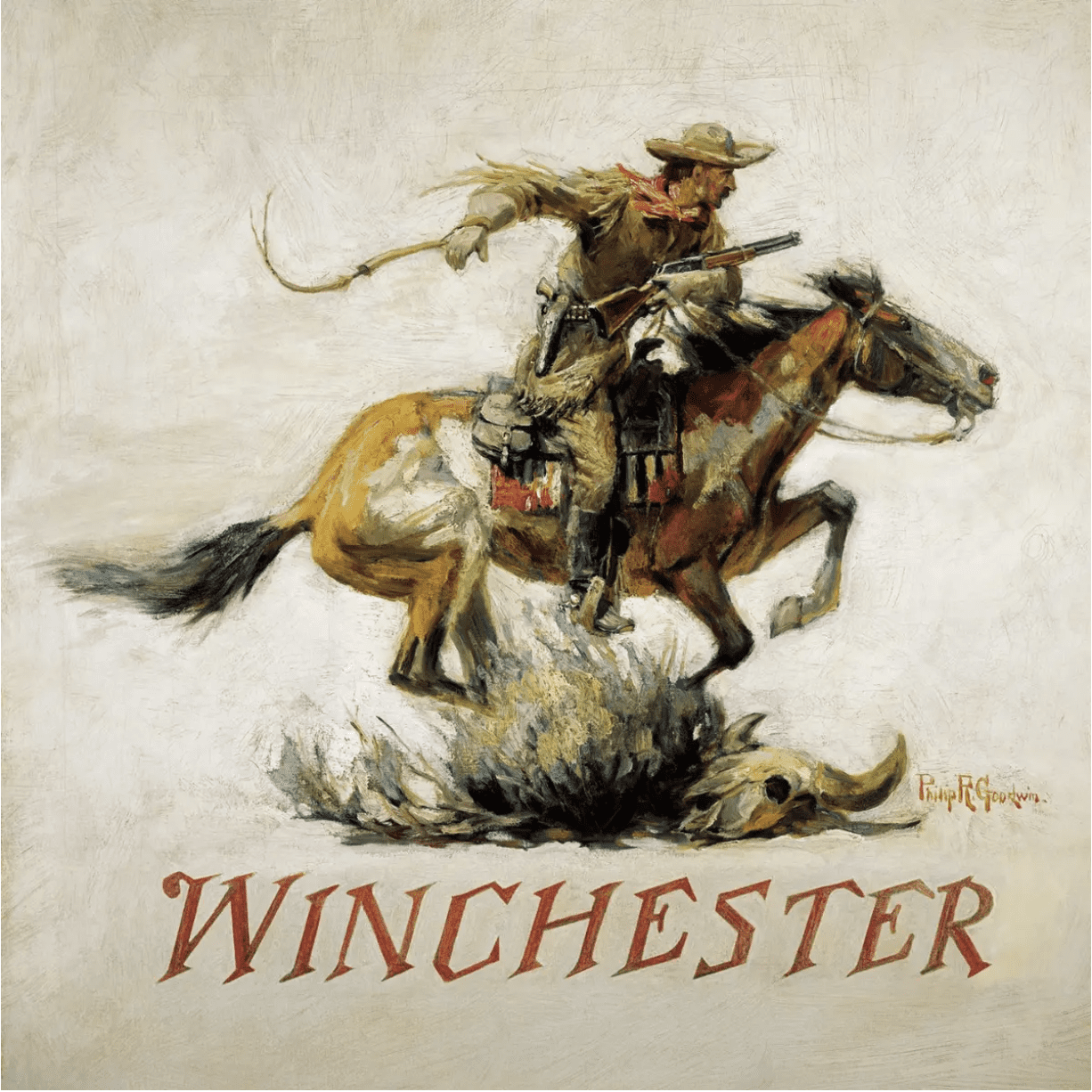
For Benjamin Ralston, collecting Winchester firearms was about preserving the stories of the American West. An avid sportsman with a lifelong appreciation for Western history, Ralston assembled an exceptional collection of Winchester firearms that reflected both the evolution of the company and the role its rifles played in shaping the frontier.
Following Ralston’s passing in January 2025, his family sought a meaningful way to honor his legacy. Since Ralston and his children were all Texas Tech alumni, they chose to donate the majority of his Winchester collection to the National Ranching Heritage Center, ensuring it would be preserved, studied and shared with future generations.
The gift is a significant addition to the Center’s collections. With the Ralston Collection, the NRHC is now able to represent virtually every major Winchester lever-action rifle produced throughout the company’s history, filling important gaps that strengthen the Center’s ability to tell the story of one of America’s most influential firearms manufacturers.
Just as importantly, the collection opens new opportunities for interpretation. Selected firearms from the Ralston Collection will be featured in a new exhibit in the Joe Flores Gallery exploring the role of Winchester firearms in ranching and the settlement of the American West. By pairing these rifles with firearms already in the NRHC collection, the exhibit will place Winchester’s innovations within the broader history of ranch life, Westward expansion and the people who depended on these firearms for work, survival and sport.
The Ralston Collection is only the beginning. As the National Ranching Heritage Center continues to expand its firearms holdings, the remaining pieces from this generous gift will become part of a larger exhibition examining the development of firearms technology and the vital role firearms played in the history of ranching and the American West.
Through this remarkable donation, Benjamin Ralston’s lifelong passion for Western history will continue to educate and inspire visitors for generations to come. The NRHC’s new exhibit, “The Evolution of the American Rifle: The Ralston Family Winchester Collection,” will open September 5, 2026.
Winchester Model 1873
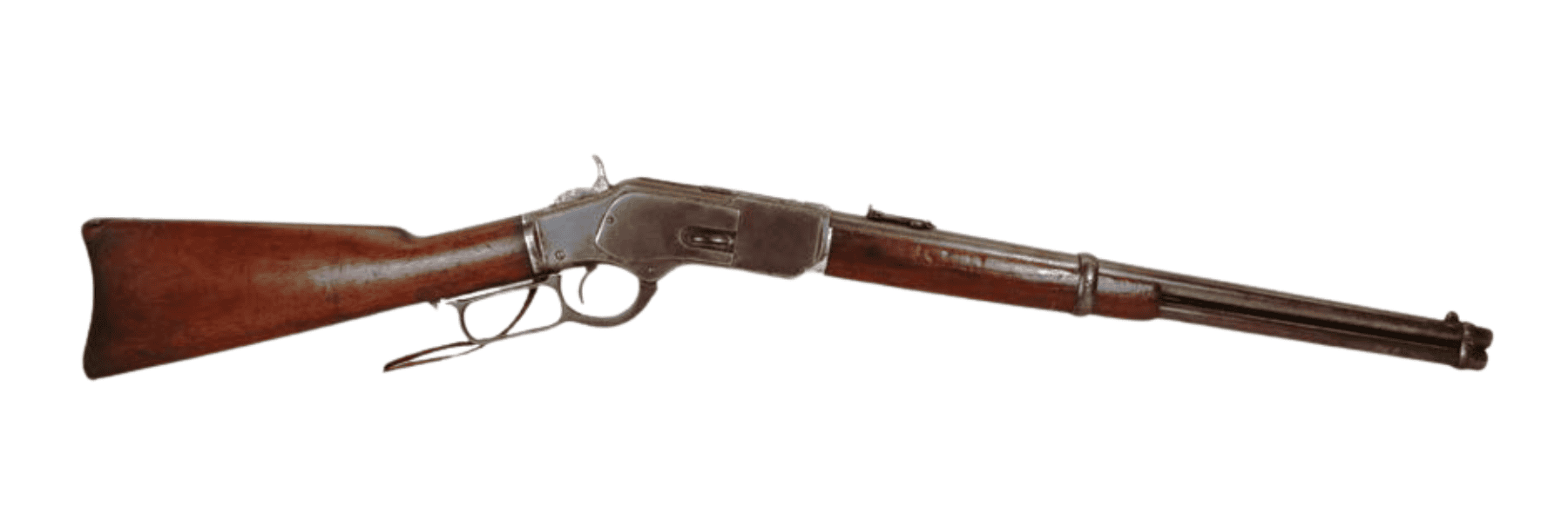
The Winchester Model 1873 became one of the most popular models in the American West. Nicknamed “The Gun That Won the West,” it featured a durable steel frame and debuted the powerful .44-40 centerfire cartridge, offering improved durability and power over the Model 1866. By the time production ended in 1923, more than 720,000 Model 1873 rifles had been manufactured, cementing its place in American firearms history.
1860 Henry Rifle
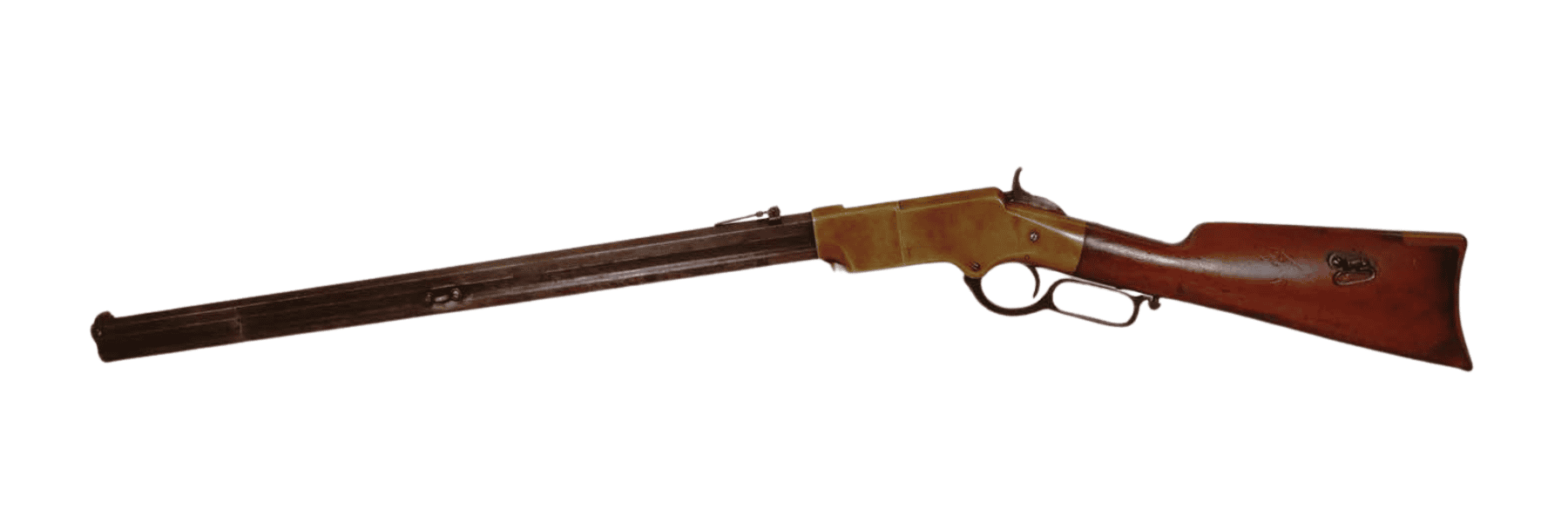
Designed by Benjamin Tyler Henry and introduced in 1860, the Henry rifle transformed firearms technology. Capable of firing 16 rounds before reloading, it was one of the first successful lever-action repeating rifles and became the foundation for the Winchester Model 1866—the first rifle to bear the Winchester name.
The Henry earned a reputation for reliability on the frontier. In Charles Goodnight: Cowman and Plainsman, J. Evetts Haley recounts Charles Goodnight’s story of his partner, Oliver Loving, during Loving’s final stand against Comanches in 1867. Mortally wounded and unable to escape, Loving urged his companion, Bill Wilson, to take his Henry rifle while riding for help. Loving trusted the rifle’s metallic cartridges to remain dependable, even if Wilson had to swim the Pecos River, making the Henry not only an innovative firearm but also a trusted companion on the Texas frontier.
Winchester Model 1866
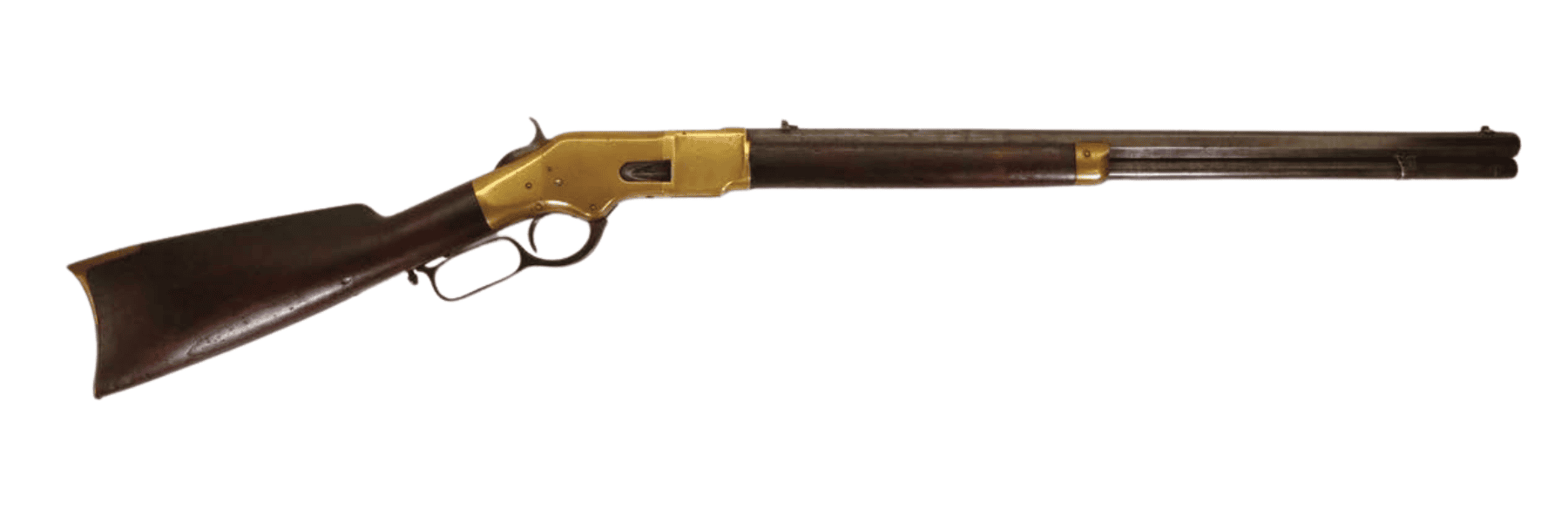 The Winchester Model 1866 was the first rifle to carry the Winchester name and built upon the success of the earlier Henry rifle. Featuring a stronger design, an easier loading system, and a distinctive brass frame that earned it the nickname “Yellow Boy,” it quickly gained a reputation for reliability. Popular with hunters, ranchers, settlers and lawmen in both the United States and Europe, the Model 1866 remained in production until 1899—a testament to its lasting success.
Winchester-Hotchkiss Bolt-Action (1883)
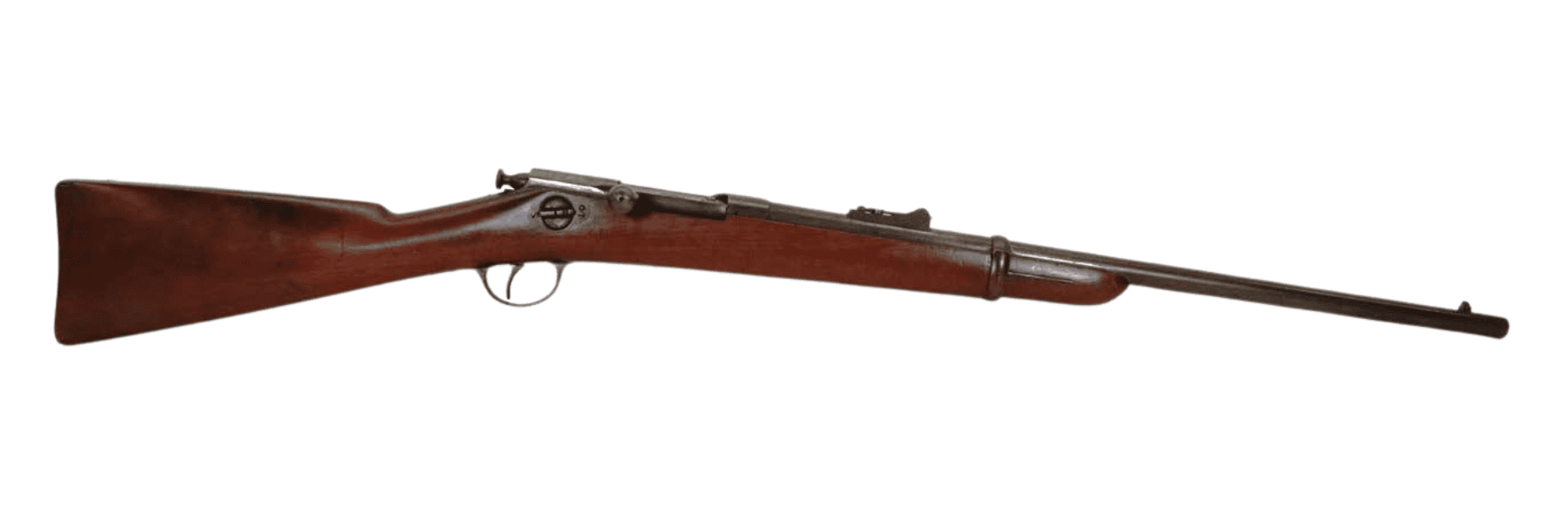
The Winchester-Hotchkiss Model 1883 marked Winchester’s first venture into bolt-action rifles. Designed by Benjamin Hotchkiss, it reflected the growing shift from traditional lever-action firearms to the bolt-action rifles that would dominate military service in the decades to come.
Although Winchester soon returned its focus to lever-action rifles, the Model 1883 made history as the first repeating bolt-action centerfire rifle adopted by a major military power. Both the U.S. Army and U.S. Navy purchased the rifle, making it an important milestone in the evolution of modern firearms.
Winchester Model 70 (1936)
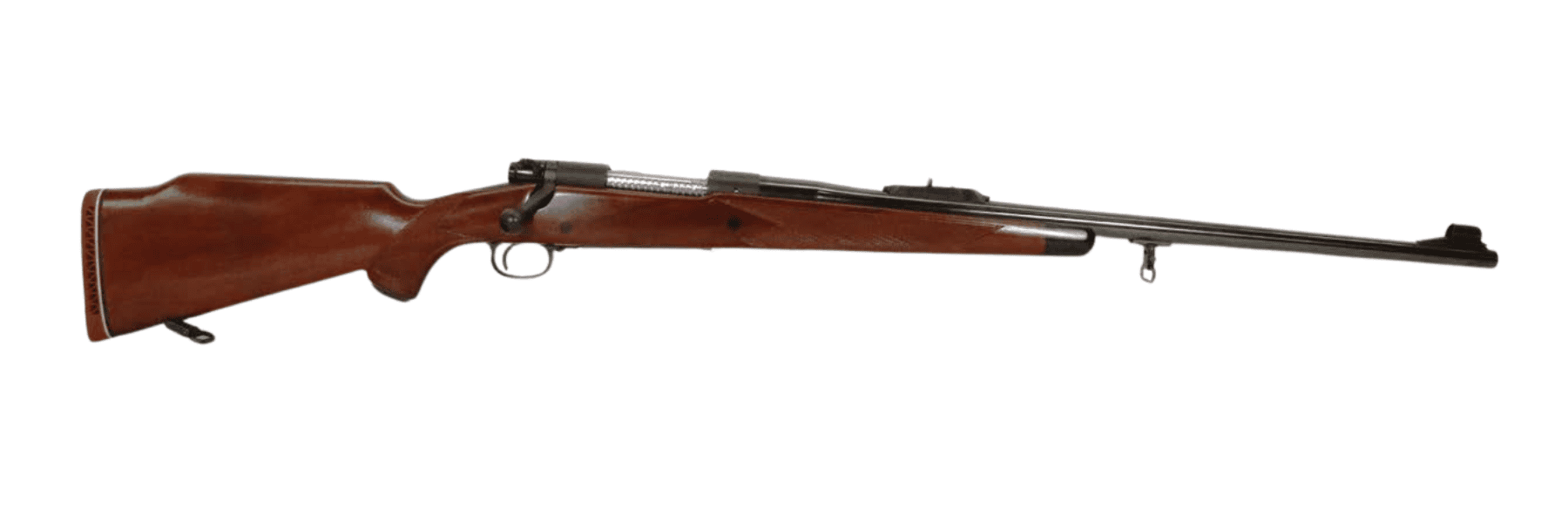 Introduced in 1936, the Winchester Model 70 quickly earned the nickname “The Rifleman’s Rifle” for its accuracy, reliability, and craftsmanship. Building on the earlier Model 54, it incorporated a number of design improvements that made it a favorite among hunters, competitive shooters and sportsmen.
Still in production today, the Model 70 is widely regarded as one of the finest bolt-action sporting rifles ever made. Its design set the standard for generations of American hunting rifles and remains one of Winchester’s most enduring achievements.